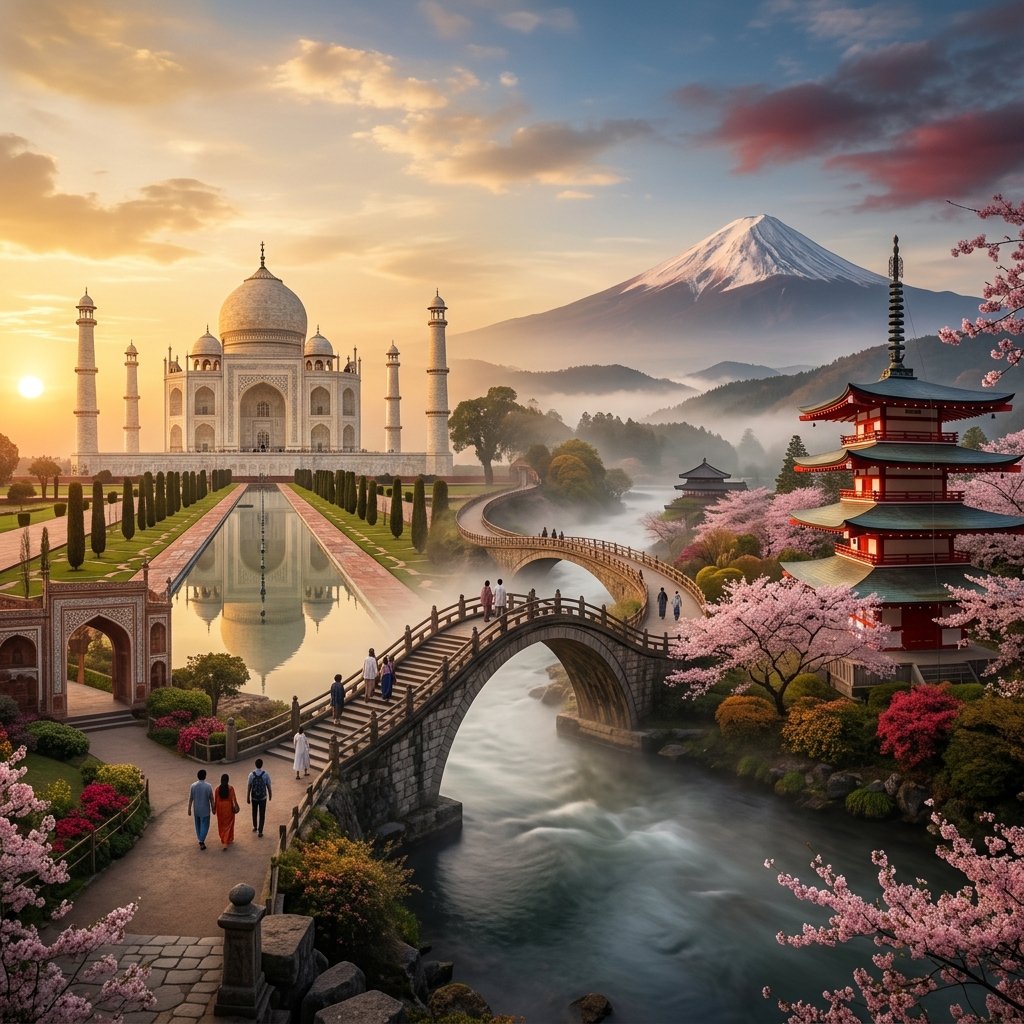
Throughout history, Indo-Japanese relations have always been strong. For centuries, India and Japan have engaged in cultural exchanges and stood by each other at critical moments in their history. The historical Silk Road crisscrossed Eurasia for almost two thousand years — laying the foundations for the modern world.
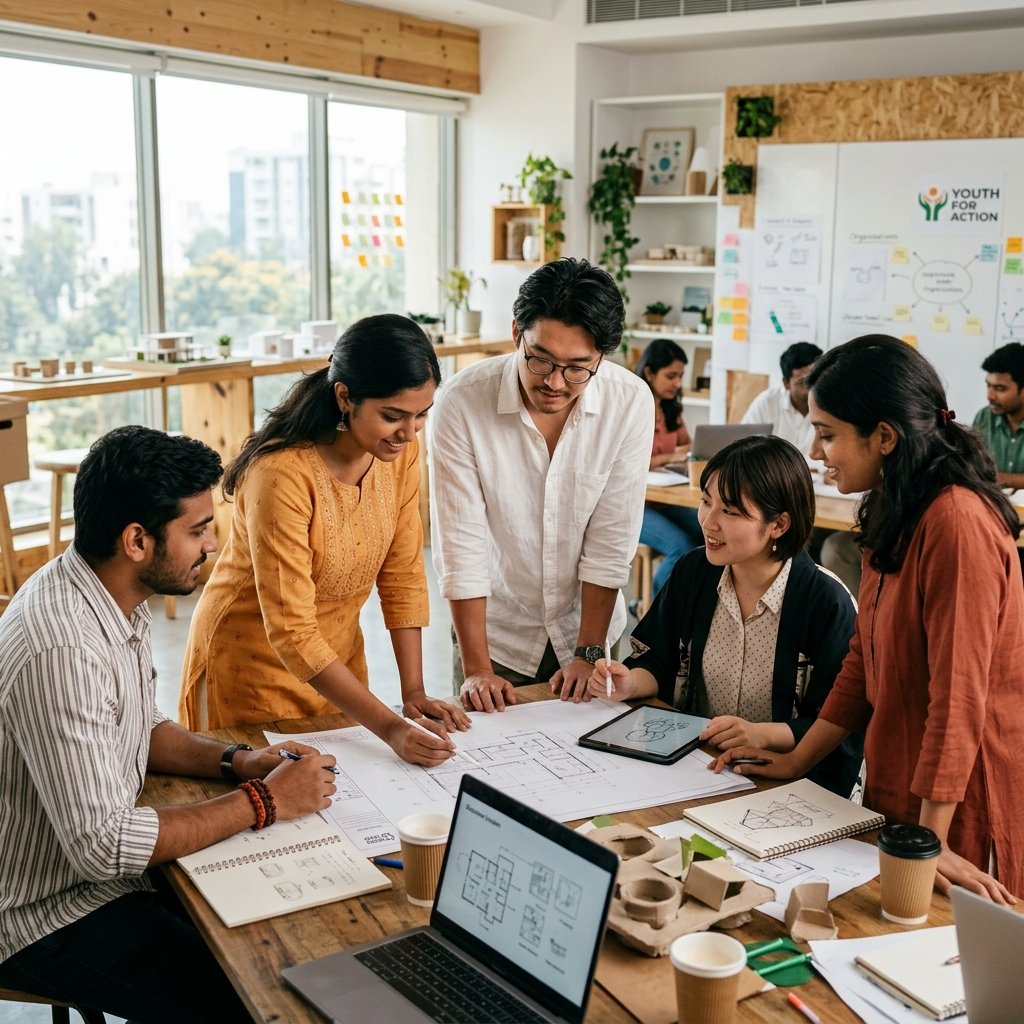
IJDO begins its journey with the mission to support Japanese and Indian youth for better interaction between the two countries. It aims to bring about positive change in society by organizing different forums to promote entrepreneurship in Japanese youth and for Indian youth to learn Japanese work ethics.
"INDO JAPAN Economic Cultural & Social Development Organisation (IJDO) is a pioneer effort to consolidate the relations between India and Japan and to form a bridge to facilitate mutual growth and progress."
Today there is scope for greater cooperation and exchange in the fields of science, technology, and engineering — at the same time continuing the tradition of cultural and social exchanges that have connected both nations for over 1,500 years.
Explore ObjectivesIndia offers unparalleled opportunities for Japanese investors with its skilled workforce, favorable policies, and a rapidly growing consumer market.
India offers excellent human resources — highly skilled engineers, technocrats, and a large labor force. Indian IT engineers are the backbone of major developed nations today.
Abundant availability of land resources across multiple states, with dedicated industrial zones designed specifically for international investment and manufacturing.
Government policies favor the setting up of Special Economic Zones and promote manufacturing setups across the country with attractive concessions and incentives.
India's vast growing population and its increasing purchasing power represents a large consumer base for products and services consumption.
Japan is currently India's third largest source of foreign direct investment. Japanese companies have made major investments in India. The annual survey by the Japan Bank for International Cooperation ranked India as the most promising overseas investment destination for Japanese companies over the long term.
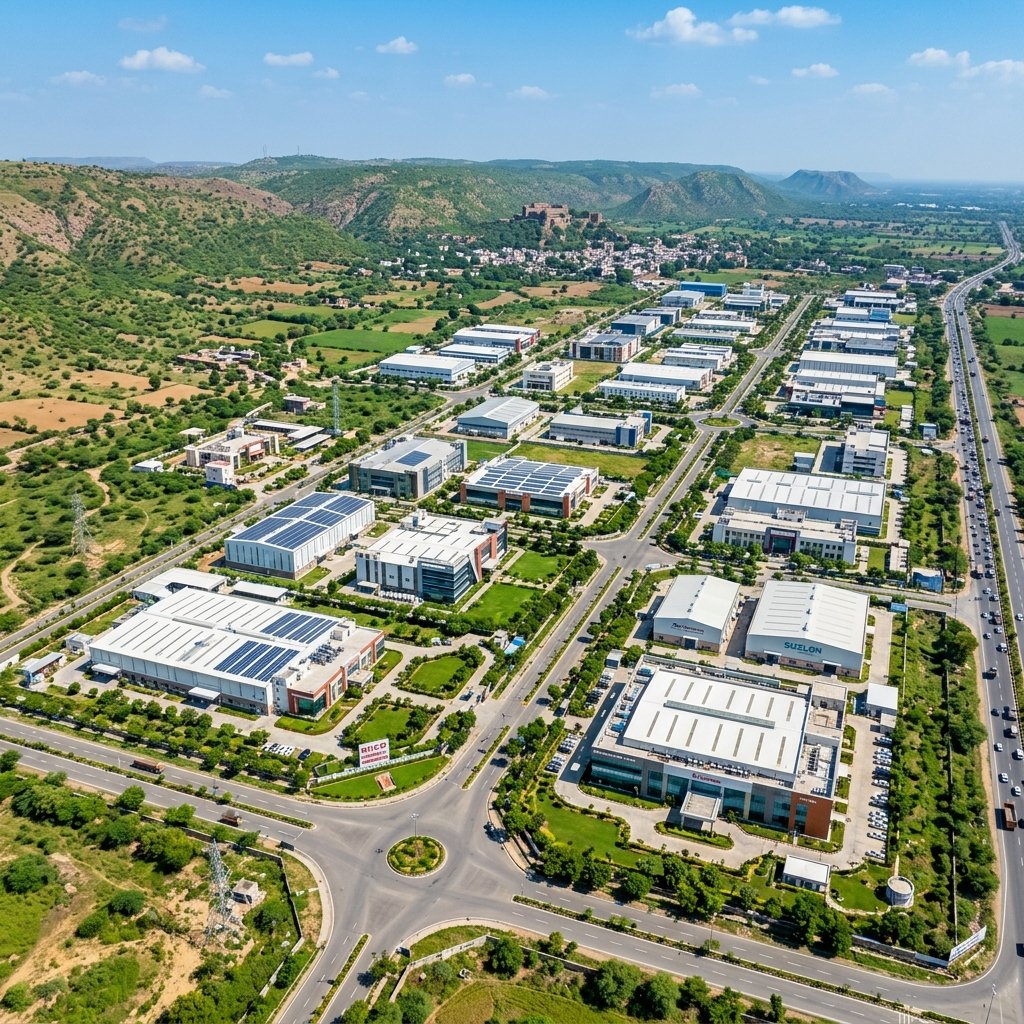
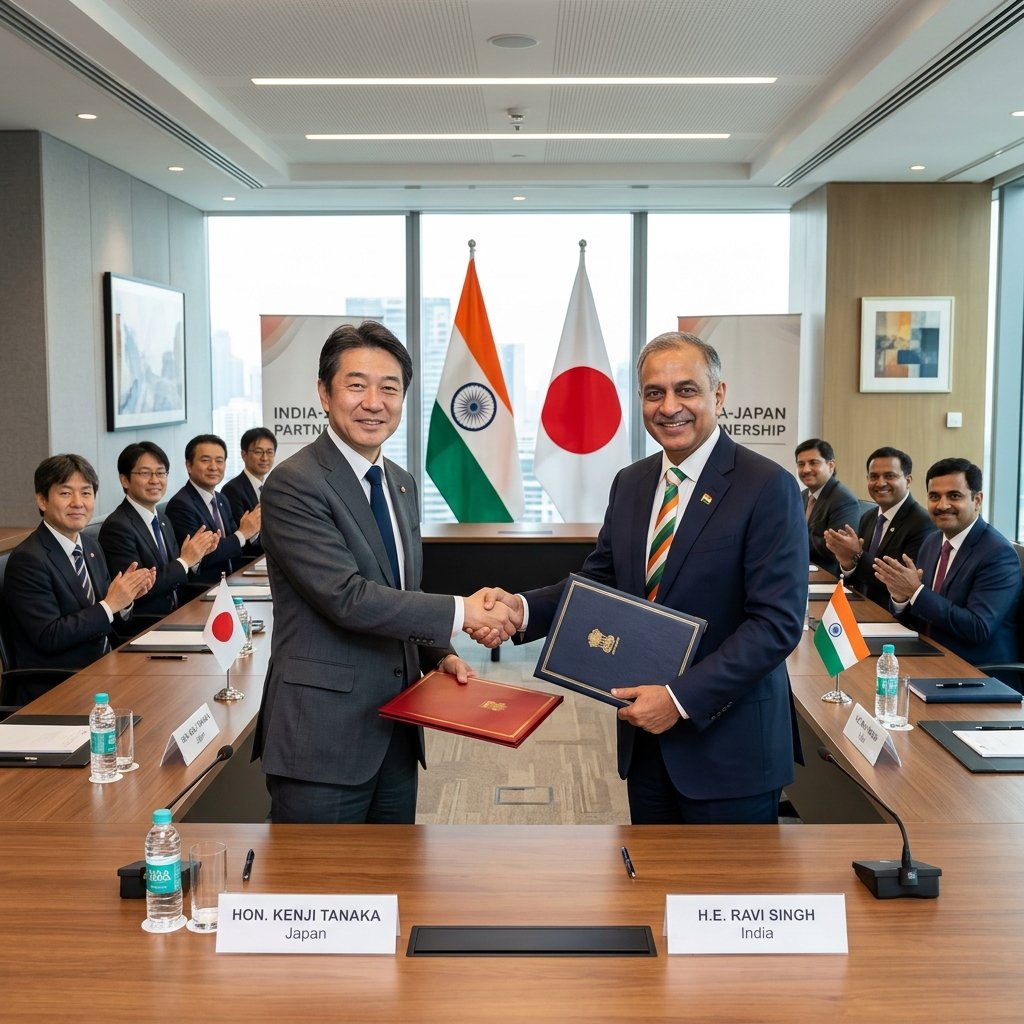
India and Japan have signed important agreements for implementing the ambitious Delhi–Mumbai Industrial Corridor (DMIC) project, which seeks to create integrated investment regions and industrial areas across six states.
The Japanese Investment Zone at Neemrana, Rajasthan is home to a number of Japanese industries. This is the first model in the world of an industrial zone set up specifically for Japanese industries by any country.
IJDO works across three pillars — Economic, Cultural, and Social — to strengthen the bond between India and Japan.
To work for promotion of economic relations between India and Japan.
To provide a platform for mutual cooperation & interaction for investors of both the countries.
To explore investment opportunities for investors in India & Japan and to facilitate the visit of business missions to both countries.
To represent and submit requirements, needs, and grievances of investors to local governments and make available maximum concessions, benefits, exemptions, and other facilities.
To help in setting up of collaboration projects & transfer of technology.
To provide professional services in different sectors like IT and others.
To have regular coordination with Japan External Trade Organization (JETRO) / Indian Trade Organizations & implement their plans and projects.
To organize, conduct, or participate in national/international exhibitions, conferences, seminars, and more.
To open centers for Japanese language and culture training for Indians working with Japanese companies in India.
Training Indian engineers on Japanese production techniques with campuses planned at various industrial zones throughout India.
To work for promotion of cultural relations between India & Japan.
To work for upliftment and conservation of traditional arts in all forms.
To organize programs for researchers, students, and scholars for cross-cultural learning.
To undertake research, survey & training programs in the field of art by developing centers with institutions for art training, art galleries for presentation, and auditoriums for performances.
Utilize the experience of Japanese senior citizens to train Indian youth for excellence, expertise, and perfectionism achieved by Japan.
To organize programs for upliftment of lesser privileged classes in India.
To work to eradicate the problem of water shortage and water filtration in rural areas and slums.
Organizing support programs for rural areas and communities in need.
To impart training on local material for conservation of resources and environment for sustainability.
To promote Japanese technology in India for waste management and recycling for a sustainable environment.
To obtain aid for plantations through elected village authorities in arid rural areas to turn India green — afforestation programs.
To promote Japanese technology for renewable energy (solar, wind) applications for rural India.
To grant scholarships, stipends, rewards, assistance, and allowances to deserving students.
To provide medicines, food, clothing, water, and electricity for the underprivileged.
To establish, promote, support, and manage dispensaries, hospitals, nursing homes, child welfare centers, clinical laboratories, mobile medical units, ambulances, medical and surgical camps, and blood banks for public medical relief.
Four decades of fostering India-Japan relations through cultural exchanges, business facilitation, and community empowerment.
The seed of this NGO was laid over 40 years ago. The founder members have been facilitating Japanese citizens coming to India in various fields, laying the groundwork for decades of cultural and economic exchange.
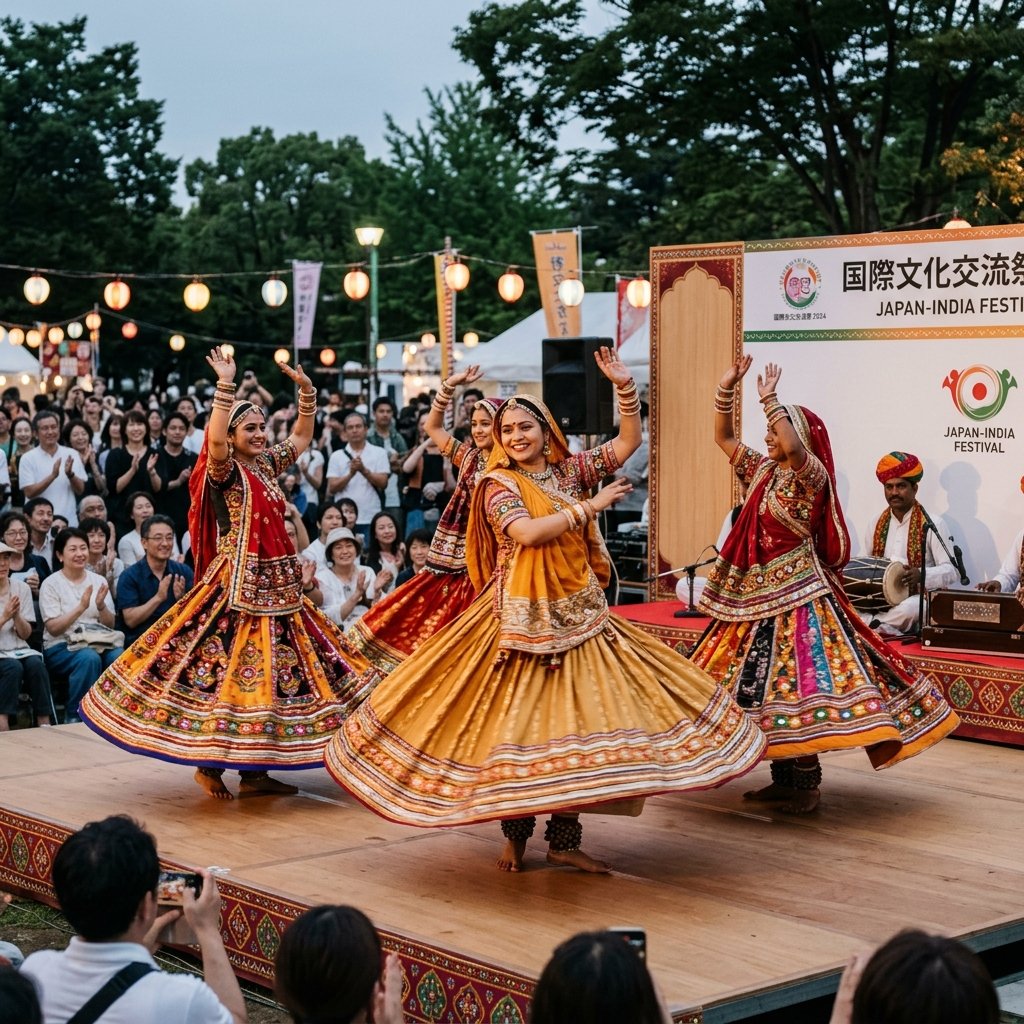
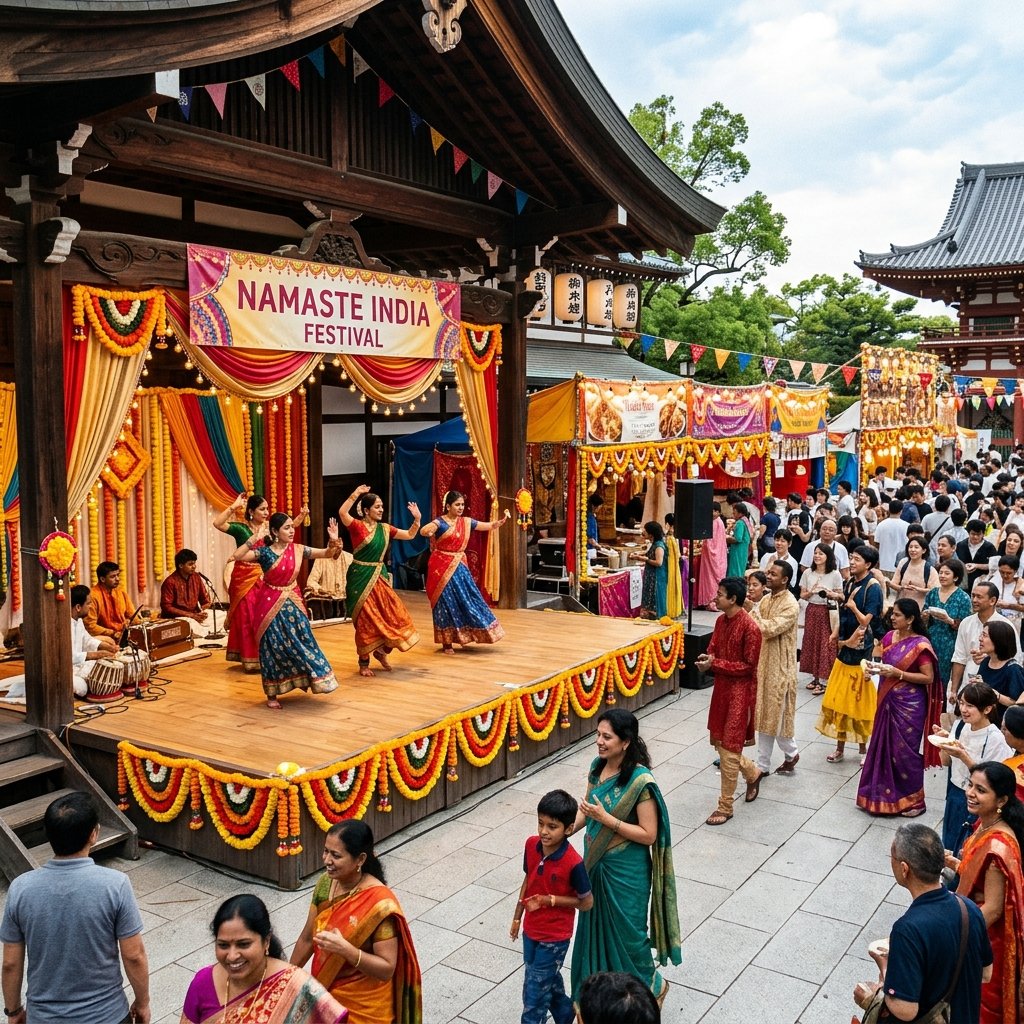
Conducted the landmark Festival of India in Japan, a major cultural diplomacy initiative inaugurated by Prime Minister Rajiv Gandhi. The festival showcased Indian art, classical and folk music, dance performances, cinema, and exhibitions across Japan.
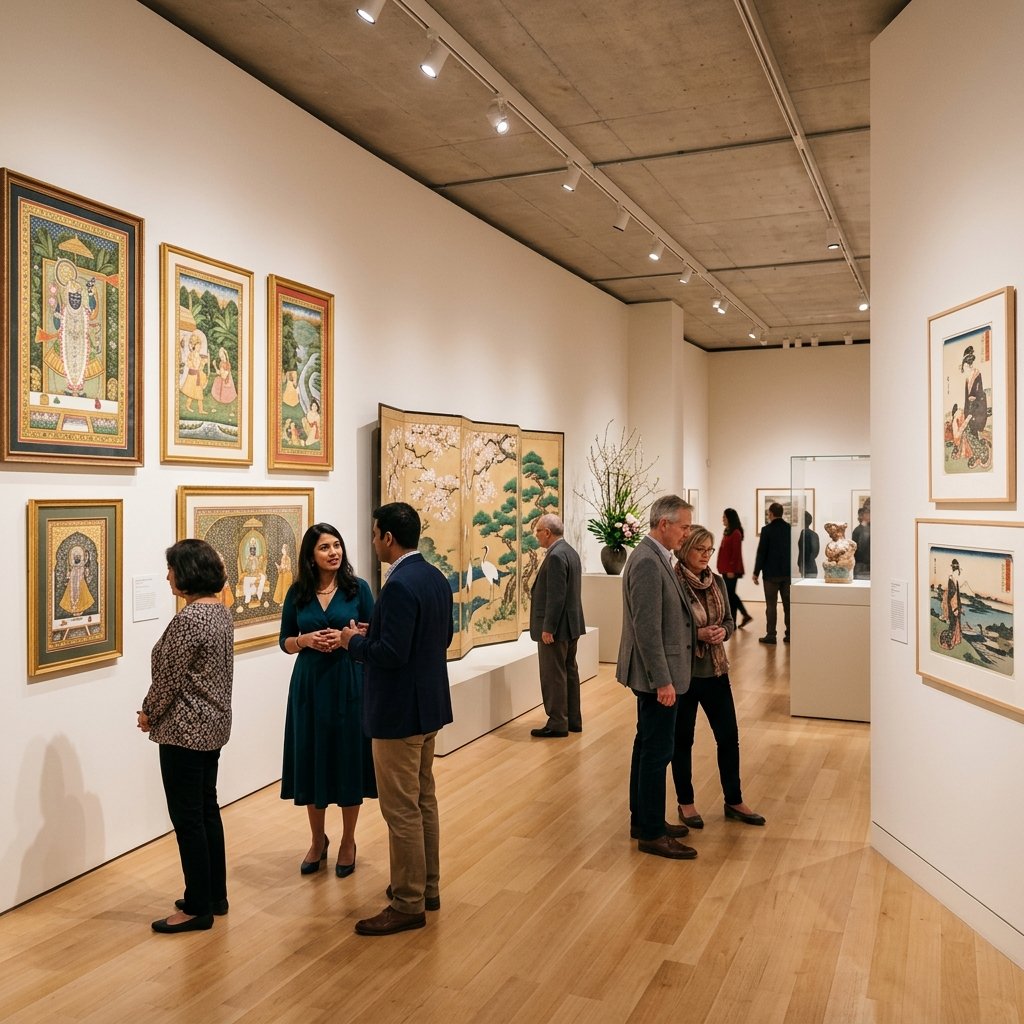
Facilitated organizing India fairs held at various locations during the Festival of India. Organized cultural exchange programs by taking Rajasthani folk dancers to perform in Japan, enchanting audiences with traditional art forms.
Organized exhibitions of Indian artists in Japan on multiple occasions. Designed the Festival of India's logo "Namaste India" and the Festival of India (India-Japan Friendship Year 1988) Catalogue, along with pamphlets for 2000 & 2002.
Members played a pivotal role in facilitating the setting up of Japanese business houses in Rajasthan, notably at Neemrana — now India's first and most successful dedicated industrial zone for Japanese industries, hosting 50+ companies.
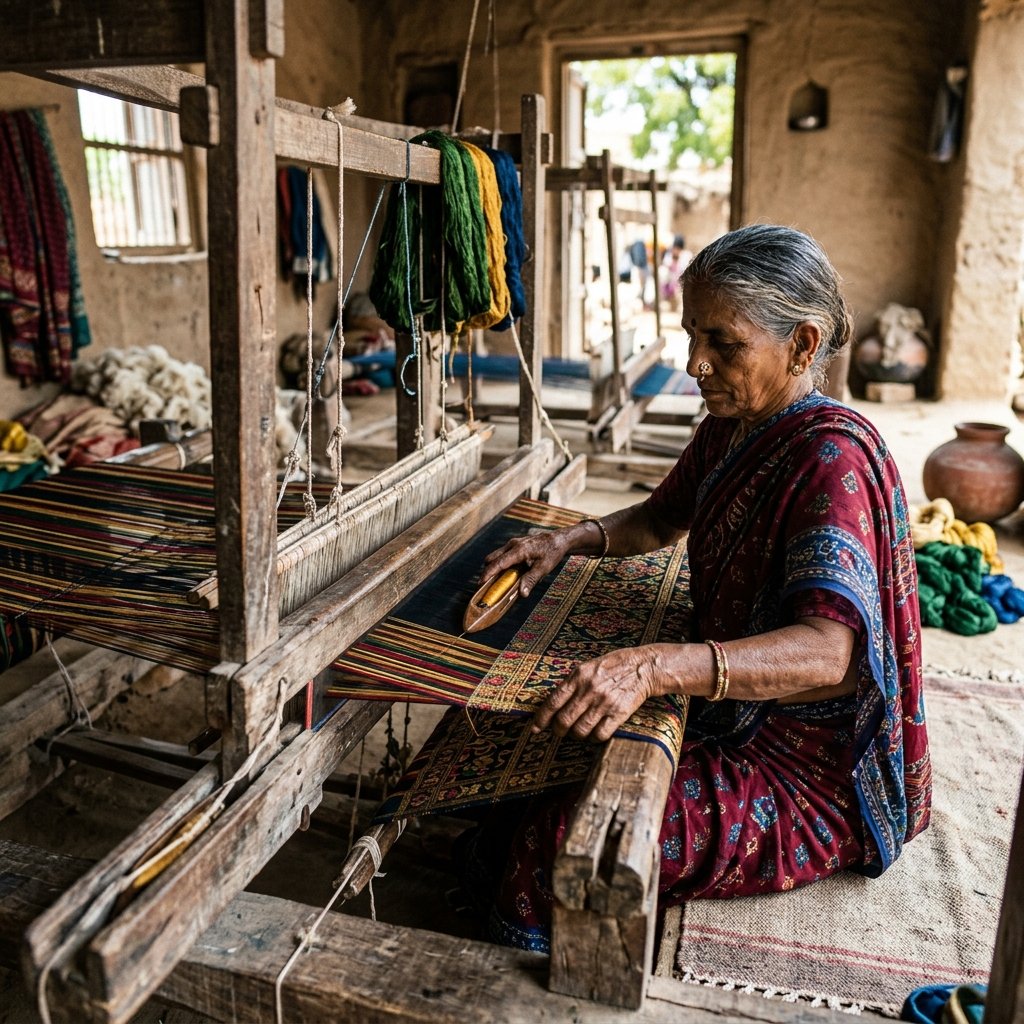
The NGO has been encouraging and promoting handloom weavers of cotton and silk from rural Rajasthan, preserving traditional craft heritage while connecting artisans to wider markets.
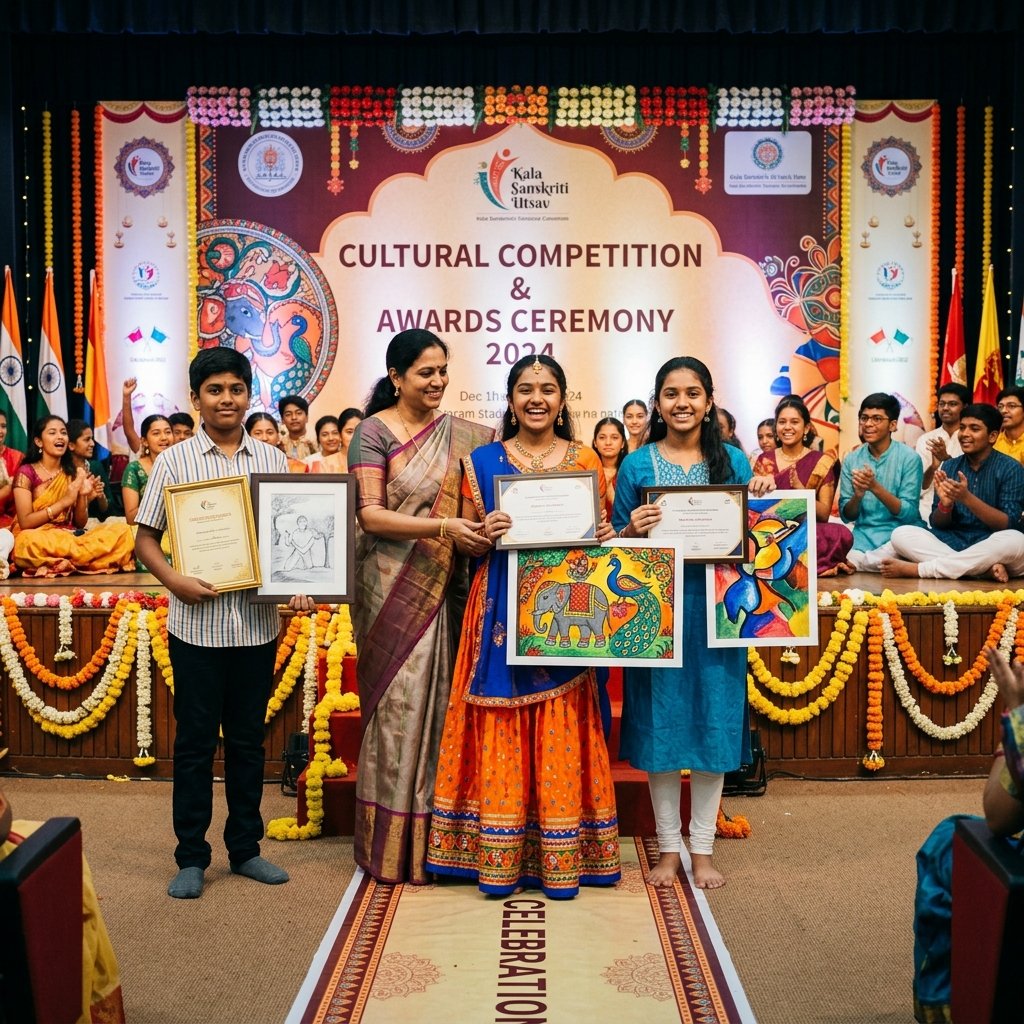
Supported and encouraged students of art in various capacities — organizing painting competitions and literary events in India, awarding deserving students, and granting stipends and scholarships to outstanding performers and deserving candidates.
Glimpses from our cultural exchanges, events, exhibitions, and community programs bridging India and Japan.
See our work in bridging cultures, empowering communities, and strengthening India-Japan relations.
IJDO — Building bridges between India and Japan through economic, cultural, and social initiatives.